इवेंट रिपोर्ट
The Wild Evolution of Rally Racing and Its Most Mind Blowing Historical Moments
Few sports on earth can match the sheer heart-pounding excitement that defines off-road rally racing. In a single weekend competitors might find themselves tearing down a muddy forest trail before immediately sliding sideways across a frozen mountain path. This intense form of motorsport has always pushed boundaries and captured imaginations across the globe. To fully appreciate this global phenomenon we must look back at how it all started transforming from a lonely single-man demonstration into an international multi-thousand-mile test of endurance.
Connor Ellis
रिपोर्टर
डेस्क नोट
नीचे आयोजन की पूरी रिपोर्ट और महत्वपूर्ण अपडेट पढ़ें।
डेस्क
ग्लोबल इवेंट
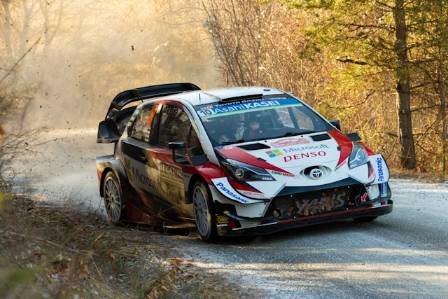
Few sports on earth can match the sheer heart-pounding excitement that defines off-road rally racing. In a single weekend competitors might find themselves tearing down a muddy forest trail before immediately sliding sideways across a frozen mountain path. This intense form of motorsport has always pushed boundaries and captured imaginations across the globe. To fully appreciate this global phenomenon we must look back at how it all started transforming from a lonely single-man demonstration into an international multi-thousand-mile test of endurance.
The actual dawn of competitive automotive racing occurred in the late nineteenth century around the year 1887. A popular French cycling publication attempted to organize the very first official automobile competition but only a single driver named Count Albert de Dion actually bothered to enter. With no competitors in sight he drove the course entirely by himself and naturally claimed the historic victory. By 1894 a major Parisian media outlet called Le Petit Journal created a more organized event running from Paris to Rouen which holds the distinction of being the first true multi-car race. Although more than one hundred motorists originally paid the entrance fee only twenty-six showed up on the starting day and subsequent qualification rounds whittled the final field down to just twenty-one courageous drivers.
This bizarre lineup of primitive machinery included a massive steam-powered tractor pulling a passenger carriage a traditional gas motorcar a Peugeot an eight-seat transport vehicle a four-ton steam monstrosity and even a basic steam tricycle. This highly eccentric group of motorists puttered away from Paris toward their destination averaging a modest ten miles per hour while drawing massive crowds of curious spectators along the dirt roadsides. The following day during the formal victory presentation officials declared a first-place tie between the Peugeot and Panhard and Levassor entries praising their outstanding everyday functionality and mechanical reliability. Count Albert de Dion crossed the finish line first but judges demoted him to second place because of a technical rules violation while third place went to a steam carriage designed to transport nine people.
The momentum accelerated the very next year in 1895 with the launch of the grueling Paris to Bordeaux and back to Paris event which spanned over seven hundred and thirty miles. The event planners possessed significantly more time to organize the details properly and were not simply looking for a quick financial payout which enabled the entire trans-continental journey to proceed flawlessly. Simultaneously across the Atlantic Ocean the first official American automotive race took place from the city of Chicago to Waukegan and back which was all it took for an international obsession with speed to firmly plant its roots.
By the year 1911 the legendary Monte Carlo event officially introduced the term rally to describe a competitive journey traveling directly from one point to an entirely separate destination. This particular competition utilized distinct driving segments or stages along the path to the mountains with the ultimate challenging stage taking place right on the steep mountain passes themselves. Because these early events utilized open public highways that remained unclosed to everyday traffic drivers could not safely operate at maximum velocities. Instead an official lead car established a baseline pace and competitors received scores based on how accurately they maintained that exact pre-determined timeline. This legendary event continues to run in the modern era as a full-speed stage rally and remains the longest-running fixture within the prestigious World Rally Championship organization.
The Golden Era and the Rise of Global Enduro Marathons
Following its historic birth across the landscape of France it required only a brief period for this unique motorsport to capture the global imagination. As widespread enthusiasm for high-speed driving swept through different countries the competitive formats rapidly transformed into faster longer and significantly more grueling endurance spectacles. With every passing decade the competing machinery became noticeably faster capable of covering much greater distances and far more mechanically resilient which naturally propelled the entire sport into a bold new era of professionalism.
The annual recurrence of major events drove a massive boom in long-distance competitions which directly led to the introduction of the dedicated co-driver position. Unlike modern navigators who read detailed pace notes these historical co-drivers spent their time alternating behind the wheel with the primary operator so they could rest during punishing marathons. Many of these historical rallies extended well past one thousand miles over incredibly hostile landscapes and required multiple days of non-stop effort to successfully complete. This intense crucible caught the attention of major automotive corporations like Mini who began engineering lightweight highly durable passenger cars constructed specifically to withstand extreme structural abuse. These automotive brands also began organizing fully professional teams composed of elite drivers and expert mechanics viewing these dangerous events as the ultimate marketing platform to prove the structural superiority of their commercial vehicles.
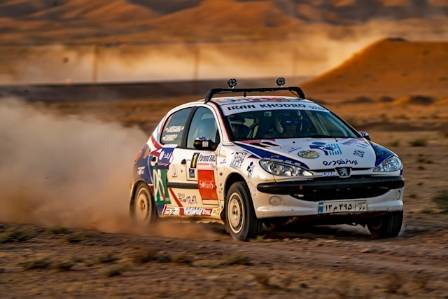
By the arrival of the 1970s the sport reached a dramatic peak of endurance with the introduction of the legendary Dakar event which pushed human perseverance and engineering creativity to absolute extremes. This massive marathon challenge required competitors to navigate a staggering six thousand two hundred miles stretching all the way from Paris down into Africa. The dangerous path wound through Europe crossed portions of the Middle East and traversed deep African terrain forcing participants to remain constantly prepared for changing weather systems treacherous sand dunes and unpredictable mechanical failures.
This completely uninhibited cross-continental race frequently produced unbelievable real-world drama and unexpected survival stories. For instance during the 1982 running of the event the son of the British Prime Minister Margaret Thatcher went completely missing amidst the vast expanses of the Sahara Desert. Following a tense six-day international search effort the young man and his driving companion were eventually located thirty-one miles away from the official route completely unharmed. Security anxieties and geopolitical conflicts eventually forced organizers to relocate the entire operation to South America in 2009 where it thrived for over a decade before shifting eastward to Saudi Arabia in 2020. While these massive marathons dominated international news cycles localized stage rallies grew exponentially because their shorter weekend formats made it far simpler for everyday hobbyists and local spectators to actively participate.
Industrial Innovation and the Fast Future of Off Road Racing
Throughout the latter half of the twentieth century the global governing bodies began implementing strict structural guidelines designed to bring widespread legitimacy to the expanding international sport. One of the most fiercely debated mandates involved homologation rules which dictated that an automotive manufacturer must construct and sell a specific minimum volume of identical road cars to the general public before their specialized racing variant could legally enter a competition. This demanding production requirement made it incredibly difficult for various European brands to justify the steep financial investments required for development causing many traditional teams to step away from the sport entirely.
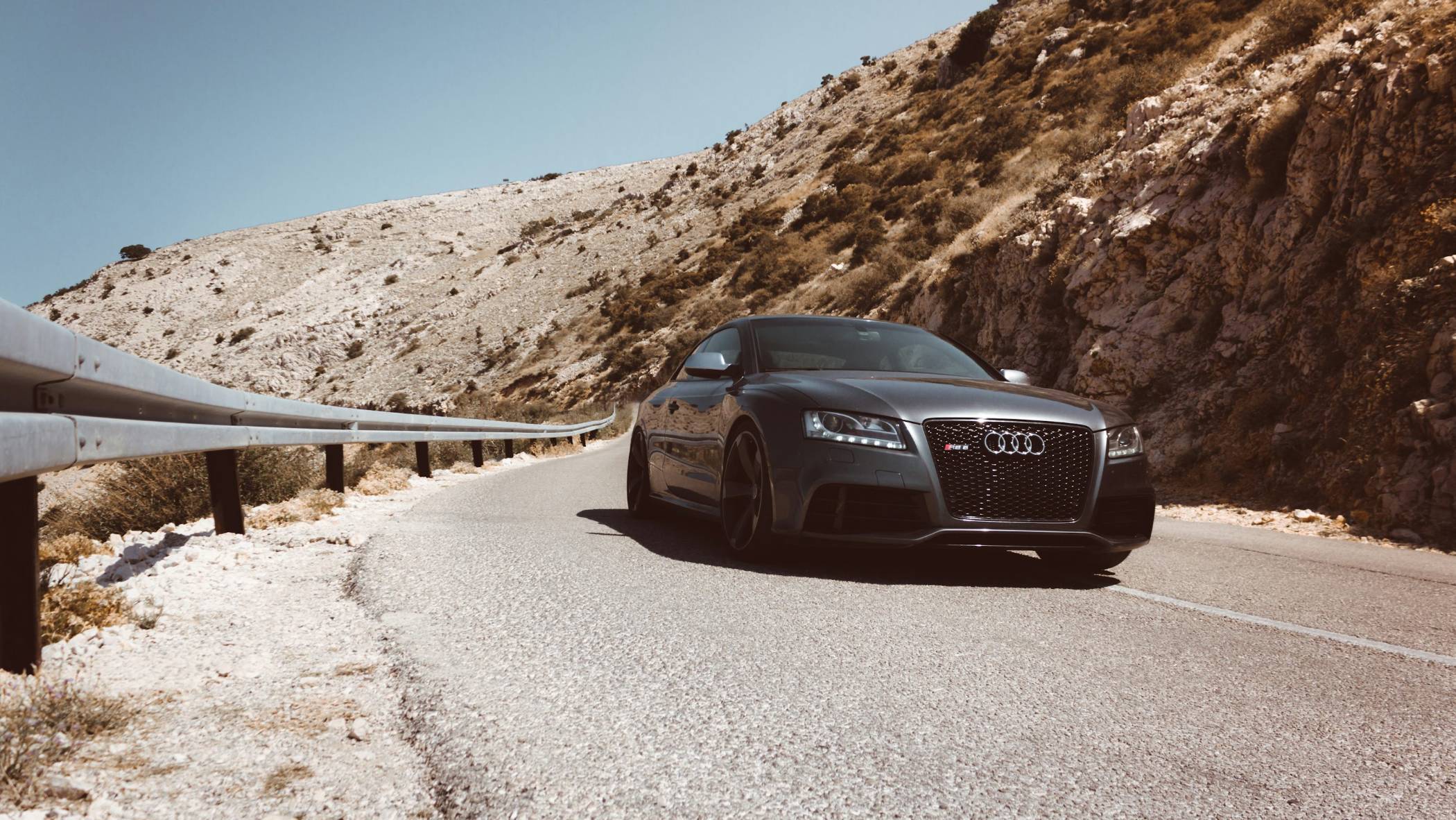
However the technological landscape shifted in an explosive fashion during the early 1980s when the German manufacturer Audi introduced its revolutionary Quattro platform. This legendary vehicle completely redefined off-road performance by combining a lightweight chassis with an advanced all-wheel-drive network and a powerful factory-installed turbocharger. Recognizing the need for extreme entertainment the sporting authorities established the famous Group B classification which slashed the mandatory production minimum down to just two hundred street cars. This regulatory freedom allowed engineers to utilize exotic lightweight materials experimental technologies and unrestricted turbochargers to build incredibly fast racing machines.
For a significant portion of the decade this extreme classification dominated global sporting headlines as the sheer speed and high-stakes action captivated millions of international fans. However this unbridled mechanical power accompanied a devastating human cost because these vehicles were simply too fast for contemporary safety standards resulting in several fatal accidents. The ensuing negative media publicity placed immense pressure on the governing bodies leading to an outright ban on Group B machinery in 1986 which brought an abrupt conclusion to a brief yet unforgettable chapter in motorsport history.
The subsequent implementation of strict power limitations opened a golden opportunity for Japanese automotive titans like Toyota and Mitsubishi to assert their dominance on the international stage. Professional drivers quickly realized that the exceptional build quality unyielding mechanical reliability and advanced all-wheel-drive systems found in models like the Lancer Evolution and the Celica made them perfect weapons for modern stage racing. This fierce corporate rivalry took a controversial turn in 1995 when tech inspectors discovered that Toyota engineers had integrated a highly sophisticated illegal turbocharger bypass system that allowed twenty-five percent more airflow into the engine producing far more power than the rules permitted. This discovery resulted in a severe multi-season competitive ban for the corporate team.
This sudden competitive vacuum allowed another Japanese giant named Subaru to step into the spotlight with its iconic Impreza model which rapidly became a dominant force for a generation of racing fans. By 1997 the governing authorities relaxed the strict consumer production rules once again to entice prominent European manufacturers back into the fold which successfully brought brands like Peugeot and Citroen back into action without requiring them to market identical high-performance models to everyday buyers. As these European teams deployed highly specialized race-only machinery the traditional Japanese entries gradually lost their competitive advantage and dissolved their factory efforts although both Toyota and Subaru eventually made highly celebrated official returns to the world stage in the modern era. Rally racing has continually transformed itself over the course of a century but it remains a beautiful celebration of mechanical ingenuity driver bravery and the endless human desire to push technology to its absolute breaking point.
संबंधित अपडेट

· hi
खाने के लिए हल्का भोजन क्या है?
अर्जुन

· en
What Is Smart Farming and How Is It Changing Global Food Production
Nina Wallace

· en
Understanding Minimalist Art: Why Less Is More
Amelia Quinn
· hi
स्फिंक्स
विक्रम

· hi
आप सभी को सूरजमुखी के बारे में जानने की जरूरत है - पृथ्वी पर सबसे खुश फूल
आदित्य
· hi
वैगन पार्टी: 2025 BMW M5 टूरिंग बनाम ऑडी RS6 अवंत परफॉर्मेंस!
प्रतीक