इवेंट रिपोर्ट
What Is Smart Farming and How Is It Changing Global Food Production
Smart farming describes the integration of modern technological solutions and data analytics into daily agricultural operations. Farmers deploy artificial intelligence, automated machinery, and connected sensors to maximize crop yields while preserving vital resources. This modern paradigm shifts traditional farming into a highly precise and sustainable industry.
Nina Wallace
रिपोर्टर
डेस्क नोट
नीचे आयोजन की पूरी रिपोर्ट और महत्वपूर्ण अपडेट पढ़ें।
डेस्क
ग्लोबल इवेंट
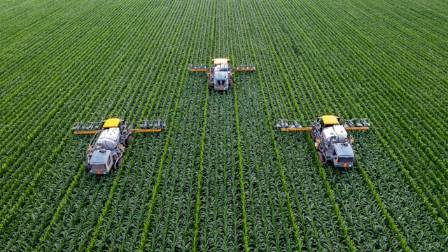
Smart farming describes the integration of modern technological solutions and data analytics into daily agricultural operations. Farmers deploy artificial intelligence, automated machinery, and connected sensors to maximize crop yields while preserving vital resources. This modern paradigm shifts traditional farming into a highly precise and sustainable industry.
Urgent global challenges drive this rapid technological adoption. International organizations predict global food production must rise dramatically over the coming decades to sustain population growth. At the same time, extreme climate events disrupt traditional planting cycles and threaten clean water supplies. Rising expenses for fertilizer and changing market prices create extra financial pressure for food producers. Advanced agricultural technology offers a practical pathway to build climate resilience and safeguard future food supplies.
The Evolution of Agricultural Methods and Tools
Agricultural history started with basic hand tools, human energy, and working animals. Important inventions gradually transformed field labor across the centuries. Mechanized seed drills emerged in the early eighteenth century to streamline planting. Steam-driven engines later revolutionized threshing during the nineteenth century. Gasoline tractors appeared in the early twentieth century and replaced heavy manual labor across fields worldwide.
A major transformation occurred during the nineteen eighties with the rise of precision agriculture. Early pioneers realized that different parts of a single field required customized nutrient levels. Scientists developed management systems to apply water and fertilizer in variable amounts across target areas.
Digital tools expanded rapidly throughout the nineteen nineties. Farmers combined digital harvest monitors with global satellite positioning systems to map crop yield variations in real time. Satellite positioning technology eventually enabled full machine automation by the early two thousands. Self-driving tractors and automated equipment became reality, reducing operator fatigue and increasing field accuracy.
Modern Technologies Shaping Today Smart Farms
Information and communication frameworks form the backbone of modern digital agriculture. These networks collect, organize, store, and transmit complex field data. Farmers rely on reliable data transfers to monitor changing soil conditions, local weather patterns, and crop growth stages effortlessly.
The network of physical connected devices provides continuous field observations. Soil sensors measure moisture content and nutrient levels continuously. Wearable monitors track livestock movement and health indicators. Airborne drones equipped with advanced light sensors fly over fields to construct detailed elevation and crop health maps.
Artificial intelligence transforms raw field data into actionable management strategies. Cloud algorithms process massive volumes of sensor information instantly. Predictive models generate precise weather forecasts and optimal harvesting schedules. These analytical tools help growers plan land usage, manage crop protection, and streamline supply chains efficiently.
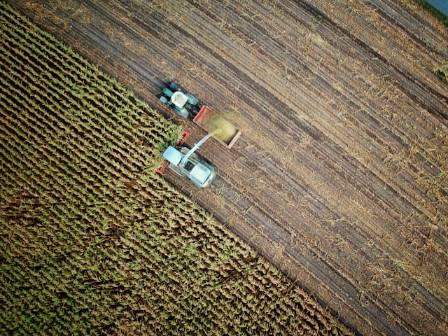
Robotic systems now handle labor-intensive field tasks with extreme accuracy. Autonomous machines plant seeds, trim plants, and harvest ripe produce without constant human supervision. Drones spray specialized fertilizers and protective treatments directly onto target plants. Precise application reduces chemical runoff and lowers greenhouse gas emissions significantly.
Real World Applications of Smart Agricultural Solutions
Smart soil sensors help agricultural producers conserve valuable water resources. Underground probes collect real-time data regarding moisture levels inside drought-prone regions. Software applications combine soil readings with weather forecasts to generate precise irrigation schedules. Farmers receive automated recommendations on mobile devices to apply water only where needed.
Grape growers and commercial vineyards use cloud tools to monitor plant health. Environmental sensors and satellite imagery track moisture strain across individual vines. Automated software calculates exact water requirements for each section of the orchard. Precision watering boosts overall harvest volumes while lowering total water consumption noticeably.
Commercial greenhouses utilize indoor sensor networks alongside intelligent climate controls. Automated systems monitor temperature, ambient light, humidity, and nutrient distribution constantly. Computer algorithms adjust ventilation, artificial lighting, and watering valves automatically. This precise environmental control creates ideal growth conditions year-round regardless of outside weather conditions.
Livestock operations use wearable motion trackers to monitor dairy herds. Motion sensors track daily step counts, feeding durations, and resting intervals for individual cows. Active and contented animals produce higher milk volumes over time. Farmers analyze behavioral data to identify stressed or sick animals early and adjust barn conditions accordingly.
संबंधित अपडेट

· hi
ओलंपियन मानव प्रदर्शन की 'सीमाओं' को कैसे पार करते हैं
नीता

· hi
मिल्की वे गैलेक्सी
जूलियन डेल्केंटन

· hi
अमेरिका में वर्तमान में बिक्री के लिए उपलब्ध शीर्ष स्तरीय प्रदर्शन वाहन
नरेश पारीक

· hi
दौड़ने की लय
राज

· hi
डोरायाकी: जापान की इस प्रतिष्ठित मिठाई की विरासत और स्वाद की खोज
ओमकार ठाकुर

· en
Ancient Chinese Architecture and its Hidden Meanings
Lucas Bennett