इवेंट रिपोर्ट
Ancient Chinese Architecture and its Hidden Meanings
From grand imperial palaces and sacred temples to peaceful countryside homes, traditional Chinese architecture represents the wisdom and creativity of a civilization that has developed over more than 5,000 years. The architectural heritage created throughout China’s many dynastic periods can still be seen today in historic cities, gardens, villages, and carefully designed landscapes.
Lucas Bennett
रिपोर्टर
डेस्क नोट
नीचे आयोजन की पूरी रिपोर्ट और महत्वपूर्ण अपडेट पढ़ें।
डेस्क
ग्लोबल इवेंट
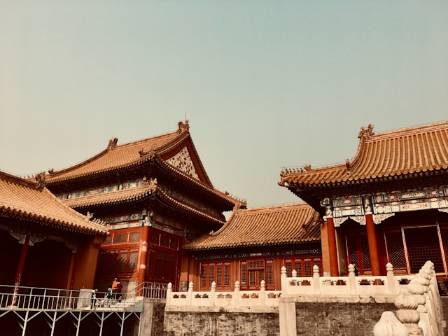
From grand imperial palaces and sacred temples to peaceful countryside homes, traditional Chinese architecture represents the wisdom and creativity of a civilization that has developed over more than 5,000 years. The architectural heritage created throughout China’s many dynastic periods can still be seen today in historic cities, gardens, villages, and carefully designed landscapes.
Traditional Chinese buildings are more than physical structures. They are like three-dimensional works of poetry, expressing the principles of Confucianism, Buddhism, and Taoism through their designs. Elegant rooflines, curved eaves, wooden frameworks, carved decorations, and carefully arranged natural elements all reveal a deep understanding of beauty, balance, and harmony.
The finest examples of ancient Chinese architecture demonstrate remarkable imagination, grandeur, adaptability, and durability, preserving the values and beliefs of generations.
Architectural Designs Inspired by Balance and Harmony
A central idea in traditional Chinese philosophy is the relationship between opposing yet complementary forces. This concept of balance influenced every aspect of architectural design, creating a sense of visual and spiritual harmony.
In ancient buildings, balance can be found in symmetrical layouts, the combination of different geometric forms, the careful use of colors, and the integration of natural surroundings. Architecture was not created separately from nature but was designed as part of a larger relationship between humans, the environment, and the universe.
The Meaning Behind Traditional Roof Designs
One of the most recognizable features of Chinese architecture is the elegant roof with upward-curving corners known as flying eaves. These lifted edges make buildings appear lighter and more graceful, giving the impression that the structure is rising toward the sky.
Beyond their beauty, flying eaves also serve practical purposes. Their curved shape helps direct rainwater away from the building and provides some protection against lightning.
The decorative roofs of imperial buildings, especially those in the Forbidden City in Beijing, often feature beautifully painted wooden brackets and intricate patterns. These details reflect both artistic achievement and symbolic meaning.
The Symbolism of Colors in Chinese Architecture
Traditional Chinese color theory is closely connected with the philosophy of the five elements: wood, fire, earth, metal, and water. Each element is associated with a color and a direction, and together they represent harmony throughout the world.
Yellow symbolizes earth and represents the center of the universe. Because of its association with power and authority, golden yellow glazed roof tiles were traditionally reserved for imperial buildings, especially the palaces of the Forbidden City.
Red represents fire and is associated with vitality, prosperity, and protection. This is why palace walls, doors, and windows were often painted deep red, symbolizing good fortune and the continuation of royal power.
Green represents wood and the east, red represents fire and the south, white represents metal and the west, black represents water and the north, while yellow represents earth and the central position.
The Importance of Symmetry in Chinese Architecture
The Confucian principle of moderation and balance, often described as the “golden mean,” greatly influenced architectural planning. In buildings, this philosophy appears through carefully organized symmetry.
Large architectural complexes such as the Forbidden City were designed around a central north-south axis. Important structures were arranged in a balanced relationship with supporting buildings placed symmetrically on both sides.
This organized layout created a sense of order and reflected traditional beliefs about harmony between society, nature, and the universe.
The Harmony of Squares and Circles
Ancient Chinese philosophy held the belief that Heaven was round while Earth was square. This idea influenced architectural forms, where square and circular shapes were combined to symbolize the connection between Heaven and Earth.
Most traditional Chinese buildings have a strong square foundation, representing stability and the earthly world. At the same time, curved roofs, rounded doorways, and circular windows introduce softer forms that represent the sky and natural flow.
This combination creates a balanced environment that was believed to encourage peace, comfort, and well-being for those who lived within it.
The Beauty of Chinese Gardens and Nature
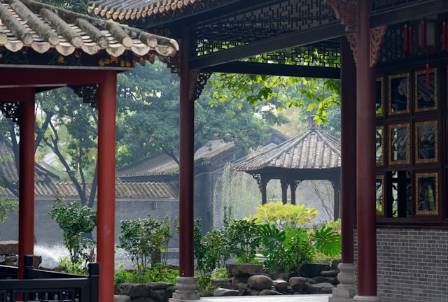
Traditional Chinese gardens were designed with the goal of creating landscapes that appear natural while still being carefully arranged by humans. Garden designers sought to represent the harmony between Heaven, Earth, and humanity.
Rather than dominating nature, Chinese gardens work with natural elements such as rocks, water, plants, and architecture to create peaceful spaces for reflection.
This philosophy can be seen in classical gardens throughout China and in traditional gardens influenced by Chinese design around the world.
Regional Differences in Chinese Architecture
Architecture in different regions of China developed unique characteristics based on climate, geography, and local traditions.
Buildings south of the Yangtze River often feature blue-gray roof tiles and elegant flying eaves. Their white walls and dark roofs create a calm and refined appearance, blending beautifully with the surrounding rivers, mountains, and vegetation.
These structures appear graceful and lightweight, while their roof designs also provide practical advantages by improving drainage and reducing damage from harsh weather.
Architectural Colors and Regional Styles
Northern Chinese imperial architecture is famous for its powerful color combinations. Red walls, yellow roofs, and touches of blue and green create a majestic appearance that reflects authority and tradition.
In contrast, southern temples and gardens often use softer colors, including white walls, black wooden elements, and blue-gray tiles. These combinations create a quiet atmosphere that emphasizes simplicity and connection with nature.
Every color choice in traditional architecture carried symbolic meaning and contributed to the overall feeling of harmony.
The Function and Beauty of Huizhou Horse Head Walls
The Horse Head Wall, also known as the Fire Wall, is an iconic feature of Huizhou architecture. These walls extend above the roofline and are shaped with stepped levels that create a distinctive rhythm and visual pattern.
Although they are beautiful decorative elements, they also serve important practical purposes. The raised walls help prevent the spread of fire between neighboring buildings and provide protection from strong winds.
This combination of artistic design and functional purpose represents the practical wisdom found throughout traditional Chinese architecture.
The Connection Between Architecture and Nature
The relationship between humans and nature has always been a fundamental idea in Chinese culture. Confucian philosophy emphasizes harmony between Heaven and Earth, while Taoist thought teaches that humans, nature, and all living things exist as one interconnected whole.
Ancient Chinese architecture reflects these beliefs by creating spaces that work together with the natural environment rather than separating people from it.
Homes with white walls and blue roofs surrounded by fields, mountains, and rivers demonstrate this peaceful relationship between architecture and landscape.
A Legacy of Beauty and Tranquility
For thousands of years, Chinese people have expressed their appreciation for nature through architecture, poetry, painting, and literature. The connection between humans, the natural world, and the heavens has remained a central theme throughout Chinese history.
Traditional architecture continues to preserve this philosophy, offering spaces that inspire calmness, beauty, and reflection.
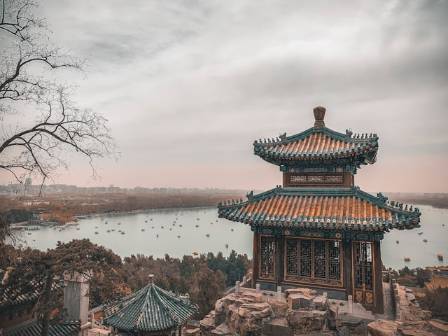
The pavilions of Beijing’s Summer Palace represent many essential elements of ancient Chinese architecture: a strong foundation platform, a wooden structural frame, and an artistic decorative roof. Together, these elements demonstrate the elegance, strength, and cultural depth that define China’s architectural heritage.
संबंधित अपडेट

· hi
गीज़ के बारे में 10 कमाल की बातें
मधुर
· hi
आर्किटेक्चर में रंग का उपयोग: फर्नीचर में रंग
फाल्गुनी

· en
Forests and Rivers in the Alpine Lakes Region
Liam Foster

· hi
खाने के लिए हल्का भोजन क्या है?
अर्जुन

· en
What Really Makes a Sports Car?
Emily Foster
· hi
चोंगकिंग नाइटव्यू देखने के लिए 9 सबसे अच्छी जगहें
ऋतु