Introduction: The Enduring Allure of Butterfly Paintings in Art
Butterflies, with their delicate wings adorned in iridescent patterns and vibrant hues, have captivated artists for centuries, transcending cultural and temporal boundaries to become a beloved subject in the art world. More than mere depictions of natural beauty, butterfly paintings are powerful vessels of expression—they blend the fragility of nature with the boldness of artistic vision, inviting viewers to contemplate themes of transformation, freedom, and the fleeting magic of life. For art enthusiasts and creators alike, these works hold a unique charm: they can evoke serenity through realistic detail or ignite excitement via audacious, boundary-pushing techniques. In this expanded exploration, we delve into the rich symbolism of butterflies across cultures, unpack the bold and brash methods that elevate butterfly paintings from decorative to impactful, examine the interplay between realistic and abstract styles, highlight iconic artists and their contributions, and explore the future of this timeless genre. Whether you are an aspiring artist seeking inspiration or an collector drawn to their beauty, butterfly paintings offer a multifaceted journey through art, nature, and human emotion.
The Symbolism of Butterflies: Cultural Meanings & Artistic Resonance
Butterflies are among the most symbolically charged creatures in art, their metamorphosis from caterpillar to winged beauty inspiring interpretations that span cultures and eras. In many Western traditions, they represent rebirth, resurrection, and spiritual transformation—rooted in the Christian narrative of resurrection, as well as the ancient Greek belief that butterflies carried the souls of the departed. In Eastern cultures, the symbolism is equally profound: in China, butterflies symbolize joy, longevity, and marital bliss (often depicted in pairs to signify harmony), while in Japanese art, they embody grace, transience, and the beauty of impermanence. Indigenous communities across the globe also honor butterflies as messengers between the physical and spiritual worlds, or as symbols of growth and adaptation. For artists, these layered meanings provide a rich foundation for creativity: a butterfly painting can be a personal meditation on change, a political statement about freedom, or a celebration of nature’s wonders. This duality—combining universal symbolism with individual artistic expression—explains why butterfly paintings remain relevant and resonant, even in the fast-paced, contemporary art landscape.
Bold & Brash Techniques: Reimagining Butterfly Paintings Beyond Tradition
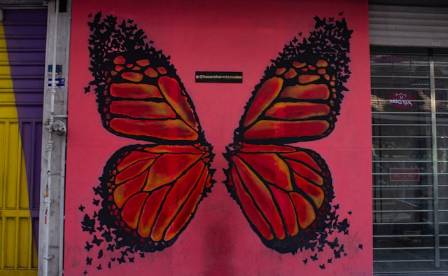
To make a powerful statement with butterfly paintings, artists are increasingly embracing bold, unapologetic techniques that reject subtlety in favor of impact. These methods prioritize emotion, texture, and visual drama, transforming delicate butterflies into bold, eye-catching focal points. One such technique is the use of vibrant, contrasting color palettes—think neon pinks paired with electric blues, or deep blacks offset by fiery oranges—creating a sense of energy that leaps off the canvas. Artists also experiment with mixed media: combining acrylics for bold color blocks with spray paint for edgy, street-art-inspired textures, or incorporating collage elements (such as tissue paper, fabric, or even metallic foil) to add depth and tactile interest to butterfly wings. Bold line work is another key element—thick, gestural strokes that define the butterfly’s form while adding a sense of movement, or fragmented lines that break down the creature into abstract shapes, challenging viewers’ perceptions. Some artists even adopt graffiti or street art aesthetics, using stencils to create repeat patterns of butterflies or layering spray-painted backgrounds with detailed brushwork to blend urban edge with natural beauty. These techniques not only modernize the genre but also reflect a desire to make butterfly paintings feel dynamic, relevant, and unignorable—proving that even the most delicate subject can carry a bold artistic voice.
Unexpected Inspiration: Squidward Paintings as a Catalyst for Butterfly Art
While it may seem unlikely, the character Squidward Tentacles from SpongeBob SquarePants has emerged as a surprising source of inspiration for artists working with butterfly themes. Squidward’s appeal lies in his bold, uncompromising aesthetic—his paintings (as depicted in the show) are characterized by stark color contrasts, exaggerated forms, and a raw, emotional energy that rejects conventional beauty. For butterfly artists, this “brashness” is a liberating force: it encourages them to move beyond the soft, romanticized depictions of butterflies and embrace imperfection, boldness, and individuality. For example, an artist might borrow Squidward’s use of thick, black outlines to frame a butterfly, then fill its wings with clashing, vibrant colors that defy naturalistic expectations, or adopt his penchant for abstracted forms—distorting the butterfly’s wings into geometric shapes while retaining their recognizable silhouette. This cross-pollination of pop culture and fine art is a testament to the versatility of butterfly paintings: by drawing inspiration from unexpected sources, artists can push the boundaries of the genre, creating works that feel fresh, playful, and uniquely original. It also speaks to the power of art to transcend contexts—turning a cartoon character’s fictional artwork into a catalyst for real-world creativity.
Realistic vs. Abstract Butterfly Paintings: Two Paths to Impact
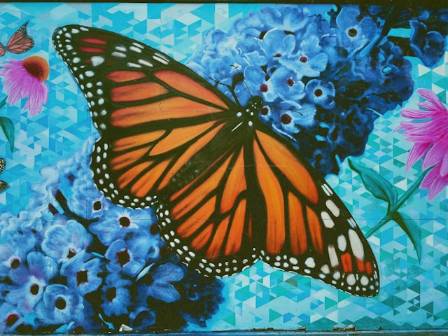
Butterfly paintings largely fall into two distinct yet equally compelling styles: realistic and abstract, each offering unique ways to connect with viewers and convey meaning. Realistic butterfly paintings prioritize precision and detail, aiming to capture the intricate beauty of the creature as it exists in nature. Artists working in this style spend hours studying butterfly anatomy—from the veining of their wings to the subtle gradations of color—and use techniques such as glazing (layer thin coats of paint) to achieve the translucent quality of wings, or dry brushwork to mimic the texture of scales. The goal is not just to replicate the butterfly, but to evoke a sense of wonder at nature’s craftsmanship: a realistic butterfly painting might depict a monarch resting on a milkweed leaf, its orange and black wings glowing in soft sunlight, or a blue morpho with wings that shift color depending on the viewer’s angle. Abstract butterfly paintings, by contrast, focus on the symbolic and emotional core of the butterfly rather than its physical form. Artists may distort the butterfly’s shape, reduce it to geometric patterns, or use color and texture to convey feelings associated with transformation—joy, freedom, vulnerability. For example, an abstract butterfly painting might use swirling brushstrokes of purple and gold to represent metamorphosis, or fragmented shapes in red and black to symbolize resilience. Both styles have their own appeal: realistic works celebrate nature’s beauty, while abstract pieces invite personal interpretation, proving that butterfly paintings can be both a celebration of the natural world and a reflection of the human experience.
Tips for Creating Stunning Butterfly Paintings: From Inspiration to Execution
For aspiring artists looking to create their own impactful butterfly paintings, the key lies in balancing inspiration, experimentation, and attention to detail. Start by finding a subject that resonates with you—whether it’s a specific species of butterfly (such as the endangered monarch or the vibrant blue morpho) or an abstract concept tied to their symbolism (transformation, freedom, resilience). Research is crucial: study reference photos to understand butterfly anatomy, or observe live butterflies (in gardens, zoos, or nature reserves) to capture their movement and presence. Next, experiment with materials and techniques to find your voice—try acrylics for bold color, watercolors for soft translucency, or mixed media (such as ink and collage) for texture. Don’t be afraid to mix styles: combine realistic wing details with an abstract background, or use bold line work to frame a delicately painted butterfly. Color is another powerful tool—use contrasting hues to create visual impact (e.g., red against green) or monochromatic palettes for a more subtle, cohesive look. Pay attention to composition: place the butterfly off-center for a dynamic feel, or use negative space to highlight its form. Most importantly, embrace experimentation and imperfection—some of the most compelling butterfly paintings come from taking risks, whether that means trying a new technique, distorting the butterfly’s form, or using unexpected color combinations. Remember, the goal is not to create a “perfect” butterfly, but to create a work that feels authentic to your vision and resonates with others.
Famous Butterfly Artists & Their Iconic Works
Throughout art history, numerous celebrated artists have turned to butterflies as a source of inspiration, each bringing their unique style and perspective to the genre. Henri Matisse, a leader of the Fauvist movement, created a series of butterfly collages in his later years, using brightly colored paper cutouts to form delicate, dancing butterflies. These works—part of his “Jazz” series—are characterized by their simplicity, joy, and bold use of color, reflecting Matisse’s belief in art as a source of pleasure. Salvador Dalí, the iconic Surrealist, often incorporated butterflies into his dreamlike paintings, using them as symbols of transformation and the subconscious. In works like The Temptation of St. Anthony, butterflies hover around surreal, distorted forms, adding a sense of ethereal beauty to his bizarre landscapes. Damien Hirst, a contemporary British artist, is known for his controversial yet captivating butterfly works, which often feature real butterfly wings arranged in intricate patterns or preserved in formaldehyde. His piece In and Out of Love—a room filled with live butterflies and paintings of butterfly wings—explores themes of life, death, and transformation, challenging viewers to confront the fragility of existence. Yayoi Kusama, the Japanese artist famous for her polka dots and infinity rooms, uses butterflies as a recurring motif in her work, often covering canvases, sculptures, and even entire spaces with colorful, repeating butterfly patterns. For Kusama, butterflies symbolize freedom and the interconnectedness of all living things, and her works invite viewers to lose themselves in a world of beauty and repetition. These artists—spanning Fauvism, Surrealism, and contemporary art—prove that butterflies are a versatile subject, capable of adapting to diverse artistic visions and continuing to inspire generations of creators.
The Future of Butterfly Paintings: Innovation & Timelessness
As the art world evolves, butterfly paintings continue to adapt, blending traditional techniques with contemporary trends to remain relevant and exciting. One emerging trend is the use of digital art—artists are creating butterfly paintings using digital tools such as Procreate or Adobe Illustrator, allowing for precise detail, vibrant color, and the ability to experiment with interactive elements (such as animated butterflies that move when viewed on a screen). Another trend is the integration of eco-friendly materials, as artists increasingly prioritize sustainability: using natural pigments, recycled paper, or even plant-based paints to create works that honor nature while depicting it. Additionally, butterfly paintings are becoming more politically and socially engaged—artists are using the creature’s symbolism of transformation to address issues such as climate change (highlighting the threat to butterfly habitats), social justice (using butterflies as a symbol of resilience and liberation), and mental health (depicting transformation as a journey of healing). Despite these innovations, the core appeal of butterfly paintings remains timeless: their connection to nature, their symbolic depth, and their ability to evoke wonder and emotion. As long as butterflies continue to inspire awe, artists will find new ways to depict them—ensuring that this genre remains a beloved and vital part of the art world for generations to come.
Conclusion: Butterfly Paintings as Timeless, Bold, and Meaningful Art
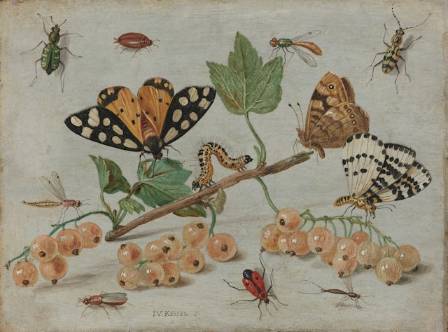
In conclusion, butterfly paintings are far more than decorative works of art—they are powerful expressions of human emotion, cultural symbolism, and artistic innovation. From the delicate realism of classical works to the bold, abstract creations of contemporary artists, butterfly paintings have the unique ability to captivate viewers, spark conversation, and evoke a sense of wonder. Through bold techniques, unexpected inspiration, and a deep connection to nature and symbolism, artists have transformed the butterfly from a simple subject into a versatile canvas for storytelling, self-expression, and social commentary. Whether you prefer the precision of realistic works or the freedom of abstract pieces, there is a butterfly painting that speaks to every taste and perspective. For aspiring artists, the genre offers endless opportunities for experimentation and growth; for collectors, it provides a chance to own a work that is both beautiful and meaningful. As we look to the future, butterfly paintings will continue to evolve, embracing new techniques and themes while retaining their timeless appeal. In a world that often feels chaotic and fast-paced, these works remind us of the beauty of transformation, the fragility of nature, and the power of art to inspire, heal, and connect.