इवेंट रिपोर्ट
How to Build a Snow Cave
A quinzee is a large mound of snow that is allowed to harden before being hollowed out to create a simple snow shelter. In many ways, it is a homemade snow cave that can provide protection during winter conditions.
Julian Cavendish
रिपोर्टर
डेस्क नोट
नीचे आयोजन की पूरी रिपोर्ट और महत्वपूर्ण अपडेट पढ़ें।
डेस्क
ग्लोबल इवेंट
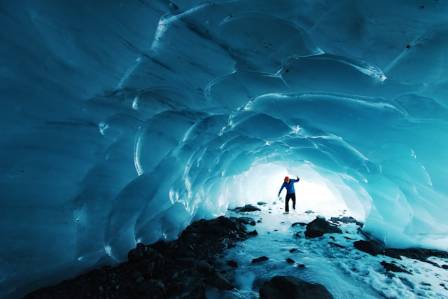
A quinzee is a large mound of snow that is allowed to harden before being hollowed out to create a simple snow shelter. In many ways, it is a homemade snow cave that can provide protection during winter conditions.
Learning how to make a quinzee is a valuable cold-weather survival technique, a great outdoor activity for families, and a practical way to use the enormous piles of snow left behind after major snowstorms.
Choosing the Right Snow Conditions
Building a quinzee is not especially complicated, but it does require suitable snow and plenty of physical effort. The first step is checking whether the snow has the right texture.
A simple test is to try forming a snowball. If the snow holds together when compressed, it is suitable for building. If it falls apart and will not stick, the conditions are not ideal and it is better to wait until the snow becomes more workable.
Snow that contains enough moisture and can bond together will create a stronger shelter, while dry, powdery snow may not harden properly.
Creating the Snow Pile
Once the snow conditions are good, the main task is to build the mound. Start shoveling snow into a large pile until it reaches at least 5 feet high, with a height of 7 to 8 feet being even better.
Creating a quinzee requires a significant amount of work and may take several hours. However, if you are already clearing snow after a storm, much of the effort is already part of the process.
Remember that a tall snow pile spreads outward as it grows. Make sure there is enough open space around the pile so the structure can expand in every direction without obstacles.
Allowing the Snow to Harden
After the snow mound is complete, it needs time to strengthen through a process called sintering.
Individual snowflakes are delicate structures made of thin branches extending from a central point. When snow is shoveled into a pile, these fragile structures break apart and become compressed together. The energy created during this process causes the edges of the snow crystals to briefly melt, allowing them to freeze together and form a stronger, solid mass.
The amount of time needed depends on the temperature and moisture level of the snow. Wet snow near the freezing point bonds quickly, while very dry, powdery snow in colder temperatures may take much longer or may not bond effectively at all.
Under most conditions, the snow mound will become firm enough after about 60 to 90 minutes. This is a good time to take a break, warm up, and enjoy a hot drink before beginning excavation.
Hollowing Out the Snow Shelter
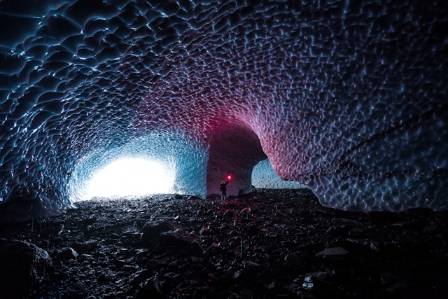
Once the snow has hardened, it is time to carve out the inside. Begin by making a small entrance at the bottom of the mound, just large enough for someone to crawl through.
Continue digging slowly upward and inward to create the interior space. Placing the entrance on the side protected from the wind can help prevent snow from blowing inside the shelter.
If several people are working together, take turns removing snow from inside while others clear away the snow pushed out through the entrance. A small snow shovel or a large hand trowel works well for shaping the interior, especially when the space is still narrow.
Maintaining Strong Shelter Walls
As you enlarge the inside chamber, be careful not to dig too far and break through the outer wall of snow. The walls must remain thick enough to support the structure and provide insulation.
A good guideline is to keep the walls at least 12 inches thick. If sunlight or daylight can be seen passing through the wall, the area is probably too thin and needs more snow added for strength.
One useful technique is to place several sticks about one foot deep into the outside of the snow mound before digging. When the inside excavation reaches the ends of these markers, you know the wall has reached the appropriate thickness.
With proper construction and enough time for the snow to harden, a quinzee can become a sturdy winter shelter and an enjoyable outdoor project for cold-weather adventures.