← मुख्य पन्ना5 मिनट का पाठ
इवेंट रिपोर्ट
10 Things You Never Knew About Christmas Pudding
Christmas lunch isn’t complete without a slice of that stodgy, spiced delight—Christmas pudding, the nation’s favorite festive dessert. We tuck into it year after year, smothered in brandy butter or cream, but how much do we really know about this iconic treat? From medieval origins to bizarre banned history, here are 10 fascinating facts about Christmas pudding that might surprise you.
R
Rosa
रिपोर्टर
डेस्क नोट
नीचे आयोजन की पूरी रिपोर्ट और महत्वपूर्ण अपडेट पढ़ें।
डेस्क
ग्लोबल इवेंट
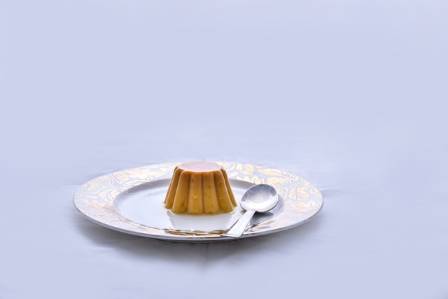
Christmas lunch isn’t complete without a slice of that stodgy, spiced delight—Christmas pudding, the nation’s favorite festive dessert. We tuck into it year after year, smothered in brandy butter or cream, but how much do we really know about this iconic treat? From medieval origins to bizarre banned history, here are 10 fascinating facts about Christmas pudding that might surprise you.
1. Its Roots Trace Back to Medieval “Plum Pottage”
The tradition of Christmas pudding didn’t start with the rich, fruity dessert we know today—it began with “plum pottage,” a staple of festive feasts since the Middle Ages. This thick, porridge-like dish was packed with dried fruits, spices, and even meat, served as a hearty course rather than a sweet treat. Recipes for early versions of plum pudding have existed since the 17th century, evolving slowly over centuries to become the dessert we associate with Christmas. It’s a culinary legacy that spans hundreds of years, linking modern celebrations to medieval traditions.
2. It Has Never Actually Contained Plums
Despite its nickname “plum pudding,” you’ll never find a fresh plum in a traditional recipe. The confusion dates back to historical terminology: in the 17th and 18th centuries, the word “plum” was used to describe any dried fruit—whether dates, prunes, sultanas, or currants. Early recipes called for “plums” (dried fruits) mixed with spices and other ingredients, and the name stuck even as fresh plums never made an appearance. It’s a linguistic quirk that’s lasted centuries, confusing dessert lovers ever since.
3. Mincemeat Used to Actually Include Meat
Mincemeat—the sweet, fruity filling often paired with Christmas pudding—has a surprisingly savory past. Back in the day, meat was a key ingredient in both mincemeat and Christmas pottage. Medieval recipes included meat broth, chopped meat (usually beef or mutton), spices, dried fruit, and breadcrumbs. Over time, the meat was phased out (much to the relief of modern palates), but the name “mincemeat” endured as a nod to its savory origins. It’s a reminder of how festive foods have evolved to suit changing tastes.
4. The Bizarre Meat-and-Spice Blend Has a Practical Reason
The unusual combination of meat, dried fruit, and exotic spices in early Christmas pudding wasn’t just a culinary experiment—it was a matter of practicality. Spices like cinnamon, cloves, and nutmeg, along with dried fruit, were expensive imports brought to Britain by Crusaders returning from the Mediterranean. Their rarity made them reserved for special occasions like Christmas. Additionally, the sugar from dried fruit and antimicrobial properties of spices helped preserve the meat for longer, crucial in an era without refrigeration. It’s a clever blend of luxury and practicality.
5. The Flaming Brandy and Holly Have Religious Meanings
Lighting Christmas pudding with a flaming brandy isn’t just for dramatic effect—it’s steeped in religious symbolism. The flame is said to represent the Passion of Christ, while traditional recipes included 13 ingredients to symbolize Christ’s 13 disciples. The holly garnish on top isn’t just a festive decoration either; some believe it represents the crown of thorns worn by Jesus. These small touches turn a dessert into a meaningful part of Christmas religious traditions.
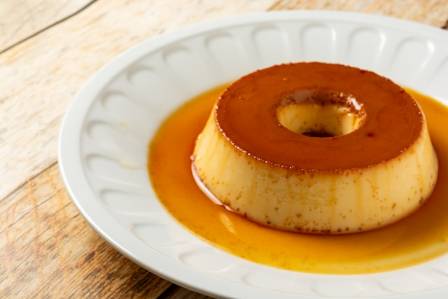
6. It Was Banned by Thomas Cromwell in the 17th Century
Christmas pudding has a rebellious past: it was once banned by Oliver Cromwell (not Thomas Cromwell—common mix-up!) and his Puritan government in the 17th century. The Puritans frowned on festive excess, viewing Christmas feasting, carols, and merriment as sinful distractions from the holiday’s religious meaning. They sought to turn Christmas into a day of fasting rather than feasting (a small “e” makes a big difference!). Luckily, when Charles II was restored to the throne, Christmas traditions—including Christmas pudding—were reinstated. Phew!
7. “Stir-up Sunday” Is a Century-Old Preparation Ritual
A proper boozy Christmas pudding needs time to mature, which is why it’s made five weeks before Christmas on “Stir-up Sunday”—the last Sunday before Advent. The tradition dictates that each member of the family stirs the pudding mixture clockwise (never counterclockwise!) and makes a secret wish while doing so. The pudding is then stored in a cool place, often topped up with extra brandy or rum to enhance the flavor and preserve it. It’s a fun family ritual that builds anticipation for Christmas Day.
8. Adding Coins Brings Good Luck (But Watch Your Teeth!)
Tucking into Christmas pudding can be a game of chance: many families still hide a silver sixpence (or modern coin) in the mixture. Finding the coin is said to bring the lucky diner a year of good fortune. Of course, there’s a catch—bite down too hard, and you might end up with a broken tooth or damaged filling! The tradition dates back to Victorian times, when coins were seen as symbols of prosperity and abundance. It’s a playful custom that adds excitement to dessert time.
9. It’s a Symbol of the British Nation
Christmas pudding isn’t just a dessert—it’s a national symbol. In 1850, the London Illustrated News described plum pudding as “a national symbol” that “does not represent class or caste, but the bulk of the English nation.” Many of its traditional ingredients, from spices to dried fruit, were sourced from across the British Commonwealth, reflecting the country’s colonial history and global connections. It’s a dish that unites people from all walks of life, making it a true symbol of British Christmas.
10. The Victorians Created the Pudding We Know Today
The Christmas pudding we enjoy today is largely a Victorian invention. Charles Dickens helped popularize it in A Christmas Carol, where he depicts Mrs. Cratchit proudly presenting “a speckled cannon-ball, so hard and firm, blazing in half of half-a-quartern of ignited brandy and bedight with Christmas holly.” Mrs. Beeton’s iconic Book of Household Management, published in 1861, included a recipe and illustration for Christmas plum pudding that’s instantly recognizable today. Over time, the medieval pottage thickened, was wrapped in a pudding cloth, and boiled for hours—transforming into the rich, dense dessert we love.

संबंधित अपडेट

· hi
शुरुआती लोगों के लिए वॉलीबॉल: मैं खेलना कैसे शुरू करूँ?
सूरज

· hi
एक बेहतरीन स्पोर्ट्स कार क्या होती है?
राहुल

· hi
स्पेस एक्सप्लोरेशन का एक छोटा सा इतिहास
दिव्या

· hi
दुनिया की 3 सबसे खूबसूरत तटरेखाएँ
अलीशा
· hi
काजू की अनूठी दुनिया के लिए एक व्यापक मार्गदर्शिक
अनुष्का मित्रा

· hi
ओवरव्यू प्रभाव हमें पृथ्वी पर जीवन के बारे में पुनः विचार करने में मदद करता है
निधि