Introduction: A Timeless Treat Steeped in History
The cupcake, a beloved sweet indulgence cherished by people of all ages, boasts a fascinating history that weaves together culinary innovation, practicality, and cultural trends. Originating in late 18th and early 19th century America, its journey from simple individual cakes baked in pottery cups to elaborate gourmet creations reflects the evolution of baking technology, consumer preferences, and social dynamics. More than just a dessert, the cupcake’s enduring popularity stems from its perfect balance of convenience, portion control, and creative potential—traits that have kept it relevant through centuries of culinary change. As we trace its history, we uncover how this humble treat transformed from a practical baking solution to a cultural icon, adored in bakeries, supermarkets, and special events worldwide.
The Origins: Individual Cakes in Small Cups (Late 18th Century)
The earliest roots of the cupcake can be traced back to 1796, when Amelia Simmons included a pivotal notation in her groundbreaking cookbook American Cookery—widely regarded as the first true American cookbook. Her recipe for “a light cake to bake in small cups” marked the first known reference to a dessert resembling the modern cupcake, though it prioritized baking method over a specific flavor profile. At the time, there were no modern muffin tins or paper liners, so home bakers used individual pottery cups, ramekins, or small earthenware mugs to create single-serve cakes. This approach was practical: it reduced baking time compared to large cakes, ensured even cooking, and allowed for easy portioning—ideal for colonial households where efficiency and simplicity were key. These early “cup cakes” were less about indulgence and more about functionality, laying the groundwork for the treat we know today.
Naming and Early Development (19th Century)
The term “cupcake” gained popularity in the 1800s, driven by two complementary theories that highlight its practical origins. The first, and most enduring, ties the name to its baking vessel: as Amelia Simmons’ recipe suggested, these cakes were literally baked in individual “cups” before standardized baking pans existed. The second theory, known as the “Number Cake” hypothesis, focuses on ingredient measurement: unlike larger, complex cakes (such as pound cakes, which relied on weight measurements), early cupcake recipes used volume measurements with a standard cup, leading to simple ratios like “one cup of butter, two cups of sugar, three cups of flour, and four eggs.” This simplicity earned them nicknames like “number cakes” or “1234 cakes,” making them accessible to home bakers without scales. The first official use of the word “cupcake” appeared in 1828 in Eliza Leslie’s cookbook Seventy-five Receipts for Pastry, Cakes, and Sweetmeats, whose recipe closely resembles modern cupcakes, featuring ingredients like eggs, molasses, brown sugar, butter, milk, flour, and warm spices—adding depth and flavor to the once-simple treat.
Commercialization and Mainstream Appeal (Early 20th Century)
While home bakers embraced cupcakes for their convenience in the late 19th century, commercial production took time to gain traction. The turning point came in 1919, when the American bakery company Hostess launched the first mass-produced, commercially available cupcake—initially a chocolate variety. This innovation made cupcakes accessible beyond home kitchens, transforming them into a ubiquitous snack cake sold in stores and bakeries nationwide. As baking technology advanced in the 1920s and beyond, cupcakes evolved further: frosting became a standard addition, starting with simple chocolate or vanilla icings and later expanding to include a variety of toppings. Their small size and symmetrical shape made them ideal for decoration, turning them from a functional snack into a visually appealing treat. By mid-century, cupcakes had become a staple at birthday parties, school events, and casual gatherings, solidifying their place in American culinary culture.
The Cupcake Craze: Resurgence and Gourmet Transformation (Late 20th – Early 21st Century)

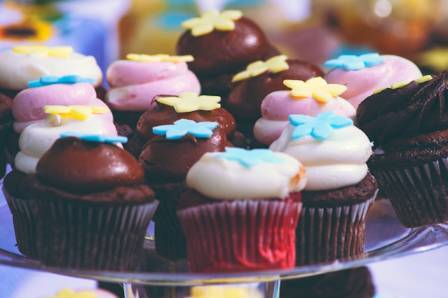
Post-World War II, the introduction of paper baking cups and refined baking equipment simplified cupcake production even further, making them easier to bake, transport, and consume. However, the true “cupcake craze” erupted in the late 1990s and 2000s, propelling the treat from a nostalgic staple to a trendy, gourmet phenomenon. Several factors fueled this resurgence: pop culture played a pivotal role, with shows like Sex and the City featuring New York City bakeries (notably Magnolia Bakery) and showcasing cupcakes as a fashionable, indulgent dessert. Health-conscious consumers were drawn to their individual size, which offered portion control and reduced guilt compared to full-sized cakes. Additionally, cupcakes became miniature canvases for creativity—bakers experimented with elaborate decorations, unique flavor combinations (from salted caramel to matcha), and personalized touches, making them perfect for weddings, baby showers, and other special events. This creativity led to the rise of specialized “cupcake-only” bakeries, and their photogenic appearance made them viral sensations on social media platforms like Instagram, further boosting their popularity.
Today: Enduring Popularity and Modern Adaptations
Today, cupcakes remain as popular as ever, continuing to evolve to reflect contemporary food trends and consumer demands. No longer just simple vanilla or chocolate treats, they have become gourmet creations with complex flavors, decadent fillings (such as fruit compotes, cream cheeses, or ganaches), and intricate decorations that rival full-sized cakes. They are a staple at parties, corporate events, and celebrations worldwide, available in bakeries, train station kiosks, supermarkets, and even online delivery services—testament to their enduring appeal rooted in convenience, versatility, and joy. Modern cupcakes also cater to diverse dietary needs, with gluten-free, vegan, and low-sugar options becoming increasingly common, reflecting a broader shift toward inclusive and health-conscious eating. Whether enjoyed as a quick snack, a celebratory dessert, or a creative expression, cupcakes continue to captivate taste buds and hearts, proving that their simple origins have blossomed into limitless possibilities.