इवेंट रिपोर्ट
Cedar Waxwings: Beyond the Beauty
Pennsylvania supports an incredible variety of bird species. By 2024, more than 430 different birds had been recorded throughout the state, with many appearing regularly across its forests, fields, wetlands, and neighborhoods.
Victoria Reed
रिपोर्टर
डेस्क नोट
नीचे आयोजन की पूरी रिपोर्ट और महत्वपूर्ण अपडेट पढ़ें।
डेस्क
ग्लोबल इवेंट
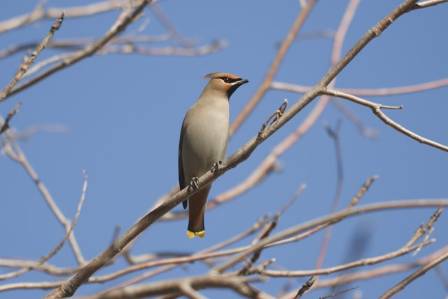
Pennsylvania supports an incredible variety of bird species. By 2024, more than 430 different birds had been recorded throughout the state, with many appearing regularly across its forests, fields, wetlands, and neighborhoods.
Among these birds, some attract special attention from nature lovers. Species such as the Long-eared Owl are admired because they are uncommon and secretive, while birds like the Ruby-throated Hummingbird fascinate people with their tiny bodies and remarkable abilities. Others capture attention simply because of their appearance.
Among the most visually striking birds in Pennsylvania is the Cedar Waxwing (Bombycilla cedrorum). Known for its smooth plumage, elegant shape, and unique features, this species is admired by bird enthusiasts everywhere. However, there is much more to these birds than their attractive appearance. Their behavior, diet, and role in ecosystems make them a fascinating species to study.
About Cedar Waxwings
Cedar Waxwings belong to the Bombycillidae family, a small bird group that contains only one genus. Their closest relatives are the silky flycatchers (Ptiliogonatidae). Neither family contains many species, and there are only three recognized waxwing species worldwide.
Of these species, Cedar Waxwings are by far the most frequently observed in Pennsylvania. Bohemian Waxwings have also been recorded in the state, but they are much less common.
The name “waxwing” comes from the small wax-like red tips found on some of their secondary wing feathers. These colorful markings can be difficult to notice unless the bird is viewed closely. The word “cedar” in their name refers to their strong connection with cedar and juniper trees, which provide an important food source.
Feeding Habits and Favorite Foods
Unlike many songbirds that rely heavily on insects and seeds, Cedar Waxwings consume mostly fruit throughout the year. During the warmer months, they add insects to their diet to obtain additional protein, but plant material remains their primary food source.
One of their favorite foods is the fruit produced by juniper trees. These structures are often called berries, although they are technically not true berries. Despite this difference, their round shape and bright appearance make them highly attractive to Cedar Waxwings.
In Pennsylvania and surrounding regions, Eastern Red Cedar (Juniperus virginiana) is one of the most important sources of these fruits. These trees commonly grow in open fields, farmland borders, and various transitional habitats.
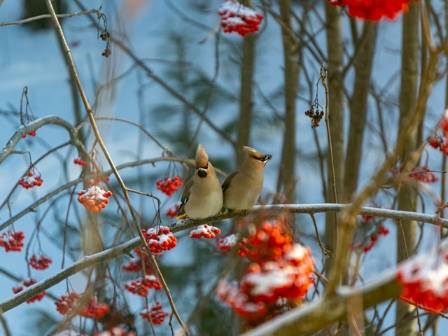
During winter, it is common to see Eastern Red Cedars covered with groups of hungry Cedar Waxwings searching for food. They sometimes compete with American Robins and other fruit-eating birds, although Cedar Waxwings have a very different approach to finding resources.
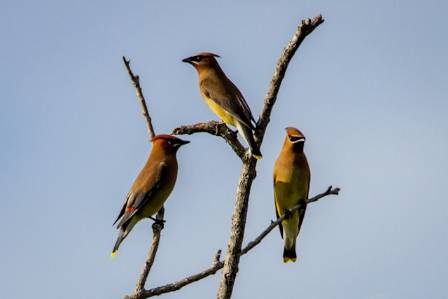
Cedar Waxwings Are Not Territorial Birds
Many songbirds defend territories, especially during the breeding season. They often use songs and calls to claim areas with enough food and nesting resources, and they may aggressively chase away competitors.
Cedar Waxwings behave differently. They are considered non-territorial birds and rarely display aggression toward members of their own species or other birds.
Because their movements are closely tied to the availability of fruit, Cedar Waxwings do not need to defend a fixed area. Instead, they travel between locations where food is plentiful.
This lifestyle makes them true wandering birds. They are highly social, often traveling in groups and moving from one fruit source to another as conditions change.
Cedar Waxwings in Urban and Suburban Areas
Their search for fruit frequently brings Cedar Waxwings into towns, cities, and suburban neighborhoods. However, this behavior can create challenges related to conservation.
Urban and suburban landscapes often contain many fruit-producing plants, but many of these are introduced species rather than native vegetation. Birds often prefer native fruits when native plants are available, but many developed areas have lost native fruit-producing species such as dogwoods, viburnums, hawthorns, and serviceberries.
Instead, these spaces are often dominated by ornamental and invasive plants, including Japanese honeysuckle, Japanese barberry, privet, and buckthorn.
As Cedar Waxwings move through these areas, they may consume fruits from invasive plants and spread their seeds through their droppings, unintentionally helping these species expand into new locations.
The Connection Between Cedar Waxwings and Invasive Plants
Although Cedar Waxwings can contribute to the spread of invasive plants, this issue is not unique to them. Many bird species eat invasive fruits, and birds can spread invasive plants in different ways, including carrying seeds internally or transporting them on their feathers.
The impact of birds spreading invasive species depends greatly on the surrounding environment. Areas that have experienced heavy disturbance are generally more vulnerable to invasive plants becoming established than healthy, intact forests.
The relationship between Cedar Waxwings and invasive vegetation reflects a larger conservation challenge: the loss of natural habitats and the decline of native plant communities.
Appreciating and Protecting Cedar Waxwings
Cedar Waxwings are widely admired for their graceful appearance, but their ecological importance is just as impressive as their beauty.
Helping these birds does not require large conservation projects. Planting native fruit-producing trees and shrubs can provide valuable habitat and food sources. Recommended plants include native viburnums, dogwoods, hawthorns, serviceberries, and Eastern Red Cedars.
Communities can also encourage local governments and land managers to protect native vegetation and create landscapes that support wildlife.
By understanding the natural history and ecological role of Cedar Waxwings, we can appreciate these elegant birds not only for their appearance but also for the important part they play in maintaining healthy ecosystems.
संबंधित अपडेट

· en
Essential Guide to Acquiring Designer Fashion Jewelry
Barry Southwick

· hi
कोप्सिया कैसे उगाएँ और उसकी देखभाल कैसे करें
अनिकेत

· hi
थॉमस जेफरसन स्मारक
ईशा

· hi
सभी राष्ट्रों का भव्य द्वार: पर्सेपोलिस का एक प्रमुख स्थल
करण

· hi
इस साल की उत्तरी रोशनी यहाँ देखें। वे दशकों में सबसे ज़्यादा चमकदार होंगी।
गणेश

· en
The Evolution of Digital Earth: From Al Gore’s Vision to the Next Generation
Cameron Blake Ashford