इवेंट रिपोर्ट
Self-Driving Cars Are Reshaping Urban Mobility
Picture waking up one morning and discovering that the daily commute you’ve always dreaded—traffic jams, endless stoplights, and stressful driving—has become a thing of the past. This vision is no longer confined to science fiction. Autonomous vehicles are steadily creating a future where transportation is smarter, safer, and far more efficient.
Cameron Lee
रिपोर्टर
डेस्क नोट
नीचे आयोजन की पूरी रिपोर्ट और महत्वपूर्ण अपडेट पढ़ें।
डेस्क
ग्लोबल इवेंट
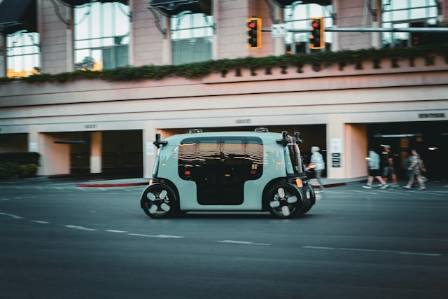
Picture waking up one morning and discovering that the daily commute you’ve always dreaded—traffic jams, endless stoplights, and stressful driving—has become a thing of the past. This vision is no longer confined to science fiction. Autonomous vehicles are steadily creating a future where transportation is smarter, safer, and far more efficient.
Cities have always depended on mobility. Since the Industrial Revolution, the way people travel through urban areas has directly influenced economic growth, productivity, and quality of life. Over the next two decades, advances in autonomous driving technology are expected to reshape urban transportation in ways that seemed impossible only a few years ago.
Why Urban Transportation Is Reaching Its Limits
Anyone living in a large city understands the challenges. Short trips often become lengthy journeys because of congestion. Parking spaces are scarce and expensive. Air quality suffers as vehicle emissions continue to rise.
These issues are not merely everyday frustrations—they represent systemic inefficiencies that cost cities billions of dollars and negatively affect millions of residents.
Traffic congestion, environmental pollution, and parking shortages are often blamed on growing populations or insufficient infrastructure. However, the deeper problem lies in outdated transportation systems. Human drivers frequently make inefficient decisions, react only to immediate surroundings, and lack access to broader traffic data. As a result, traffic flow becomes unpredictable and inefficient.
The consequences extend far beyond wasted time. Congestion reduces productivity, increases fuel consumption, contributes to health concerns, and places additional strain on the environment. As urban populations continue expanding, these problems become increasingly difficult to manage.
Why the Current Moment Is So Important
Previous attempts at autonomous transportation often failed because the supporting technology was not advanced enough. Today, that situation has changed dramatically.
Self-driving vehicles, also known as autonomous vehicles, have moved beyond theoretical concepts. They are already operating in pilot programs and testing environments around the world, improving through machine learning and real-world experience.
Major companies such as Tesla, Google, and Uber are investing heavily in autonomous mobility. Their goal is not simply to build better cars but to fundamentally redesign how people and goods travel through cities.
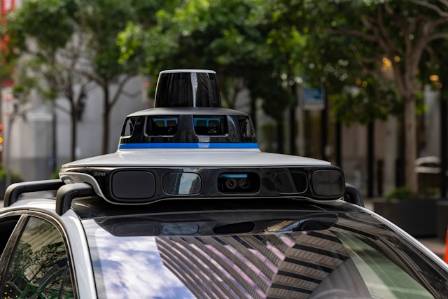
The Four Foundations of Future Urban Mobility
To understand the coming transformation, it helps to view urban mobility as four interconnected technology layers.
Physical Infrastructure
The first layer consists of roads, highways, bridges, train stations, bus stops, and parking facilities.
Although infrastructure evolves more slowly than technology—especially in older cities such as London and New York City—changes are beginning to emerge. Dedicated autonomous lanes, redesigned intersections, and new transportation formats are gradually appearing to support future mobility systems.
Regulatory Framework
This layer includes traffic laws, permits, speed limits, pricing systems, and transportation regulations.
For decades, these rules have remained relatively unchanged. In the future, however, transportation networks may operate through unified digital systems that dynamically adjust lane assignments, traffic priorities, road access permissions, and pricing based on real-time conditions such as congestion and emissions.
Vehicle Technology
The vehicle layer is currently experiencing the most rapid transformation.
Connected vehicles, electric cars, and autonomous driving technologies are developing simultaneously. As these innovations merge, vehicles will become increasingly intelligent, efficient, and capable of operating with minimal human intervention.
The next decade is expected to bring dramatic changes to how vehicles function and interact with transportation networks.
User Experience and Mobility Services
The top layer involves the tools people use to access transportation.
Ride-sharing platforms, navigation apps, and GPS-based route planning have already transformed commuting habits. Consumers now expect transportation services to be available on demand and optimized through digital technology.
This layer is where most people first experience the benefits of smart mobility systems.
The Potential Impact of Autonomous Vehicles
The advantages of self-driving cars extend far beyond convenience.
Studies suggest that widespread adoption of autonomous vehicles could reduce the number of cars required on urban roads by as much as 60%. Such a reduction would fundamentally reshape city transportation systems.
Environmental benefits could also be substantial. Because autonomous vehicles can optimize acceleration, braking, routing, and speed management, they have the potential to reduce emissions by more than 80%.
Safety improvements may be even more significant. Human mistakes contribute to the overwhelming majority of traffic accidents worldwide. By reducing reliance on human decision-making, autonomous systems could dramatically decrease collisions, injuries, and fatalities.
The result would be safer roads, cleaner cities, and more efficient transportation networks.
Big Data: The Hidden Engine Behind Smart Mobility
Autonomous transportation depends heavily on data.
Modern smartphones, sensors, connected vehicles, and digital infrastructure continuously generate enormous volumes of information. When analyzed effectively, this data can transform urban planning and transportation management.
Real-time information allows cities to monitor traffic patterns, optimize routes, improve public transit operations, and respond more effectively to changing conditions.
Unlike traditional planning methods that relied on historical studies and periodic surveys, future mobility systems will operate using continuously updated data streams.
As cities become increasingly data-driven, algorithms will play a central role in managing transportation networks, improving efficiency, and supporting future growth.
The Road Ahead
The future of urban transportation is no longer a distant possibility. Autonomous vehicles, intelligent infrastructure, advanced regulations, and data-driven mobility systems are converging to create a new transportation ecosystem.
Over the coming years, cities are expected to become more connected, more efficient, and significantly safer. Traffic congestion may decline, emissions could be reduced dramatically, and transportation services will become increasingly personalized and responsive.
The transformation of urban mobility is already underway. Self-driving technology is not simply changing cars—it is redefining how entire cities function and how people experience movement in everyday life.
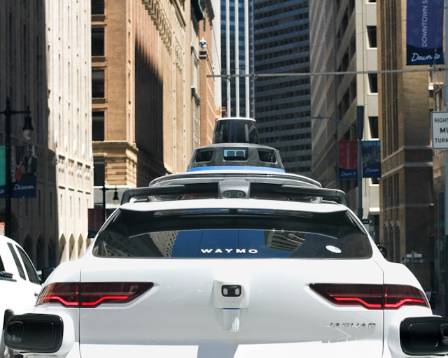
संबंधित अपडेट

· hi
टॉप रग्बी टिप्स: मैदान पर अपने कौशल को बढ़ाना
फिन थॉन्सन

· hi
2025 में यूरोप में साइकिल चलाने के लिए 12 सर्वश्रेष्ठ गंतव्य
सृष्टि

· en
Five Leading Stars Probably Set to Join Fresh IPL Teams
Bob

· hi
शुरुआती लोगों के लिए 10 आसान चित्र
मोहिनी

· hi
अमेरिका में वर्तमान में बिक्री के लिए उपलब्ध शीर्ष स्तरीय प्रदर्शन वाहन
नरेश पारीक

· en
How to Prepare for Your Amazon Rainforest Adventure
Leo Xavier