इवेंट रिपोर्ट
Blue Cities, Rising Risks: Charting a Course for Coastal Resilience
Coastal cities represent the critical nexus between terrestrial civilization and the marine environment. Home to a disproportionate share of the global population and economic engines, these urban centers are both powered by and profoundly dependent on the ocean. Currently, approximately 70% of the world’s megacities (those exceeding 10 million inhabitants) lie within 60 kilometers of the coastline, collectively generating nearly half of the world’s Gross Domestic Product (GDP). While this proximity fuels trade, innovation, and the burgeoning blue economy, it simultaneously positions these hubs on the front lines of climate change.
Mila Carter
रिपोर्टर
डेस्क नोट
नीचे आयोजन की पूरी रिपोर्ट और महत्वपूर्ण अपडेट पढ़ें।
डेस्क
ग्लोबल इवेंट
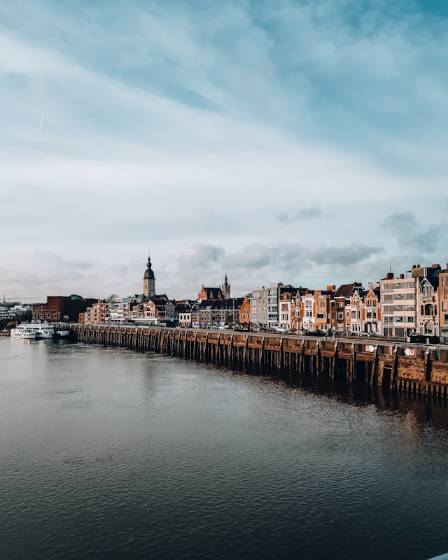
The Growing Vulnerability of Coastal Metropolises
Pressures: The Urban Footprint on Marine Ecosystems
-
Habitat and Biodiversity Loss: Land reclamation and shoreline construction physically destroy critical habitats like mangroves and wetlands, driving species decline.
-
Pollutant Contamination: Untreated urban runoff, industrial discharge, and wastewater introduce heavy metals and toxins into coastal waters.
-
Eutrophication: Excessive nutrient loading from sewage and agriculture triggers harmful algal blooms and creates hypoxic "dead zones" devoid of oxygen.
-
Marine Litter: Inadequate waste management systems, coupled with tourism, result in significant plastic leakage into the ocean.
-
Greenhouse Gas Emissions: High-density populations, port operations, and energy-intensive infrastructure make coastal cities major contributors to global GHG emissions.
-
Sensory Pollution: Artificial lighting and chronic underwater noise from shipping and construction disrupt the natural behaviors of marine fauna.
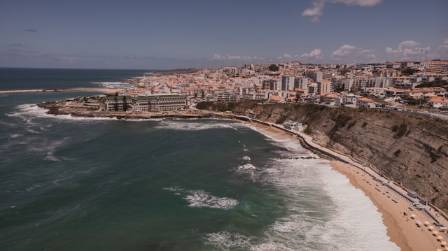
Pathways to Resilience: Sustainable Urban Solutions
-
Embrace Nature-Based Solutions (NbS): Prioritize the restoration and conservation of mangroves, dunes, and wetlands, utilizing "living shorelines" to buffer against storms and sequester carbon.
-
Upgrade Water Infrastructure: Invest in advanced wastewater treatment and green infrastructure (e.g., bioswales, permeable pavements) to filter pollutants before they reach the sea.
-
Enforce Sustainable Planning: Implement strict zoning laws to halt land reclamation and prevent construction in ecologically sensitive or high-risk flood zones.
-
Circular Waste Management: Transition towards a circular economy by improving solid waste interception and promoting recycling to eliminate marine litter at the source.
-
Decarbonize Urban Systems: Reduce emissions through energy efficiency mandates, electrification of public transport and port equipment, and investment in renewable energy sources.
-
Mitigate Sensory Stress: Implement "dark sky" initiatives and quiet technologies in ports to minimize light and noise pollution impacting marine life.