Introduction: Pickleball’s Meteoric Rise and Universal Appeal
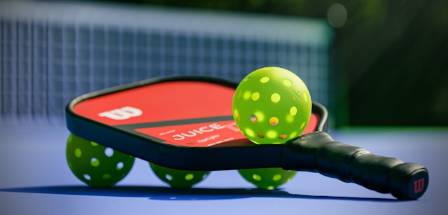
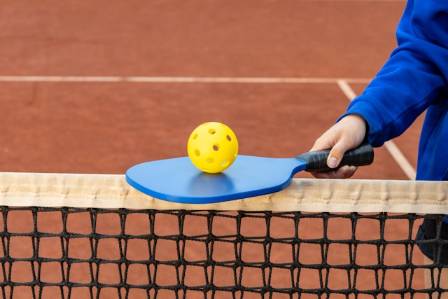
Pickleball has cemented its status as America’s fastest-growing sport over the past four years, with a staggering 311 percent growth rate in the last three alone, according to the Sports and Fitness Industry Association. Blending elements of tennis, badminton, and table tennis, this accessible racket sport is played on a smaller court with a lightweight paddle and perforated plastic ball, making it inviting to players of all ages—especially older adults, who constitute the second-largest age bracket at 15 percent of participants. Beyond its reputation as a fun, social pastime, pickleball offers a wealth of physical and mental health benefits that address key concerns for aging populations, from heart health and mobility to cognitive function and emotional well-being. Its low barrier to entry, gentle learning curve, and competitive yet supportive community have made it more than just a sport; it’s a lifestyle that encourages consistent activity and social connection.
1.Boosts Heart Health and Cardiorespiratory Fitness
Pickleball stands out as an effective way to enhance cardiovascular health, thanks to its moderate-to-vigorous intensity and engaging gameplay that keeps players moving. Sandra Webber, a professor of physical therapy at the University of Manitoba who specializes in pickleball research, conducted a 2022 study published in the Journal of Aging and Physical Activity that tracked heart rate and step counts in older adults (average age 62) during singles and doubles play. The results revealed that singles players averaged 3,322 steps per hour, while doubles players logged 2,791 steps—both contributing to meaningful daily activity. More importantly, both formats maintained an average heart rate of 111 beats per minute, with over 70 percent of playtime spent in the moderate-to-rigorous intensity zone, which is ideal for strengthening the heart and improving lung function. Webber notes that just four and a half hours of pickleball per week meets the CDC’s recommendation of 150 minutes of moderate-intensity exercise for older adults, a milestone made easier by the sport’s engaging nature. A 2018 report further supports these findings, linking pickleball to improved cardiorespiratory fitness and a reduced risk of heart disease by enhancing heart muscle strength and blood circulation. While pickleball excels as a cardiovascular workout, experts emphasize it should be complemented with strength or resistance training to achieve a well-rounded fitness routine.
2.Tones Muscles and Preserves Muscle Mass
Beyond cardiovascular benefits, pickleball delivers a full-body muscle-toning workout that addresses age-related muscle loss, known as sarcopenia. The sport’s dynamic movements—including volleying, quick lateral shifts, and underhand serves—require sustained muscle contraction, particularly in the arms, shoulders, core, and legs. Webber explains that the repeated back-and-forth motion engages both upper and lower body muscles, improving muscle tone and endurance over time. For players motivated to advance their game, the competitive aspect often encourages off-court strength training, which is critical for maintaining muscle mass as we age. Preserving muscle mass is not only essential for mobility and physical strength but also for boosting metabolism, supporting joint health, and increasing longevity. Unlike high-impact sports that may strain muscles, pickleball’s low-impact nature allows older adults to build and maintain muscle without excessive stress on the body, making it a sustainable option for long-term fitness.
3.Supports Bone Health Through Weight-Bearing Activity
Emerging research suggests pickleball may be a valuable tool for maintaining bone density, a key concern for older adults at risk of osteoporosis and fractures. Webber is currently leading a study investigating how pickleball’s impact—including jumping, sudden direction changes, and weight-bearing movements—affects bone health. Weight-bearing exercises are known to stimulate bone growth by putting gentle stress on bones, which encourages the body to produce more bone tissue. Unlike non-weight-bearing activities like biking or swimming, pickleball requires players to support their body weight on the court, with movements that mimic functional daily activities (e.g., stepping, twisting) that are crucial for bone strength. While final results of Webber’s study are pending, she describes the preliminary findings as “very encouraging,” noting that the sport’s moderate impact could help meet optimal bone health recommendations. For older adults, maintaining bone density is vital for preventing falls and fractures, making pickleball a practical choice for holistic skeletal health.
4.Enhances Balance, Coordination, and Cognitive Function
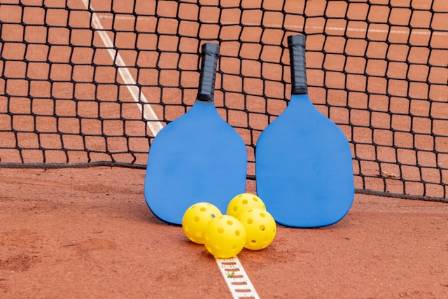
Pickleball offers significant benefits for both physical coordination and mental sharpness, addressing two critical areas of health for aging populations. Dr. J. Mica Guzman, Jr., an assistant professor of surgery and perioperative care at The University of Texas at Austin, explains that regular play improves the vestibular system—responsible for balance—which is essential for preventing falls, a leading cause of injury in older adults. The sport also enhances hand-eye coordination and proprioception (the body’s sense of spatial awareness), as players must track the ball, react quickly to opponents’ moves, and adjust their position in real time. “It’s all integrated,” Guzman notes. “This is fantastic for getting that entire system coordinated and refining it, with benefits that extend beyond the court to daily activities like walking, dressing, and cooking.” Cognitively, pickleball is equally valuable: a small 2021 study of adults aged 50–75 found that regular play boosted cognitive function, including memory, focus, and decision-making. The sport’s strategic elements—such as planning shots, anticipating opponents’ moves, and adapting to game dynamics—provide mental stimulation that keeps the brain active and engaged. Webber adds that pickleball’s progressive learning curve, with countless shots and strategies to master, ensures players remain mentally challenged, regardless of their skill level.
5.Boosts Mood and Mental Health Through Social Connection
The social aspect of pickleball is one of its most powerful health benefits, particularly for older adults who may face isolation as they age. Dr. Lisa K. Cannada, an orthopedic trauma surgeon and adjunct professor at the University of North Carolina, highlights that the fun of playing with friends is itself a health benefit, fostering a sense of community and belonging. Research, including a 2024 review of 27 studies, links pickleball to improved well-being, increased social interaction, and reduced symptoms of anxiety, stress, and depression. Guzman emphasizes that social engagement is “fantastically great” for mental health in older adults, as it combats loneliness—a major risk factor for cognitive decline and chronic disease. The sport’s inclusive nature, with players of all skill levels coming together on the court, creates a supportive environment that encourages connection. Whether playing doubles with longtime friends or joining a local league to meet new people, pickleball provides a structured way to stay socially active, which in turn boosts mood and overall quality of life.
Preventing Pickleball Injuries: Tips for Safe Play
While pickleball is generally low-impact, its growing popularity has led to an increase in reported injuries—most of which are mild but preventable. Webber attributes many injuries to the sport’s accessibility: new players may underestimate the physical demands, leading to overuse or strain. Common injuries include ankle sprains, shoulder discomfort, and eye injuries from errant balls. To stay safe, experts recommend several precautions: warming up with dynamic stretches (e.g., arm circles, leg swings) before play, incorporating strength training (focusing on core, legs, and shoulders) to support joint stability, and wearing protective gear like sports glasses to shield the eyes. Guzman notes that injuries are most common among beginners, as the body adjusts to the sport’s unique movements and pace. He advises new players to start slowly, gradually increasing playtime and intensity, and consulting a doctor before starting if they have preexisting conditions. While pickleball is not a contact sport, accidental collisions can occur, so staying aware of court positioning is also key. For more detailed guidance, organizations like AARP offer resources such as “7 Ways to Prevent Pickleball Injuries.”
The Takeaway: Pickleball as a Holistic Aging Tool
Pickleball’s unique combination of physical activity, social connection, and mental stimulation makes it an ideal sport for older adults seeking to maintain health and vitality. It addresses key aging concerns—from heart health and muscle preservation to balance and cognitive function—while remaining fun and accessible enough to encourage consistent play. The sport’s competitive edge and community spirit keep players coming back, turning exercise into a sustainable habit rather than a chore. Whether you’re a beginner looking to stay active or an experienced player seeking social connection, pickleball offers something for everyone. As Webber sums up, “It’s a sport that grows with you—you can start at any level, keep improving, and reap the benefits for years to come.” With its proven health advantages and inclusive culture, pickleball is more than just a trend; it’s a powerful tool for aging well.